From the travel desk
What a permit actually buys you
Park entry, tracker allocation and the gate you enter from make more difference to a safari than the lodge you sleep in.
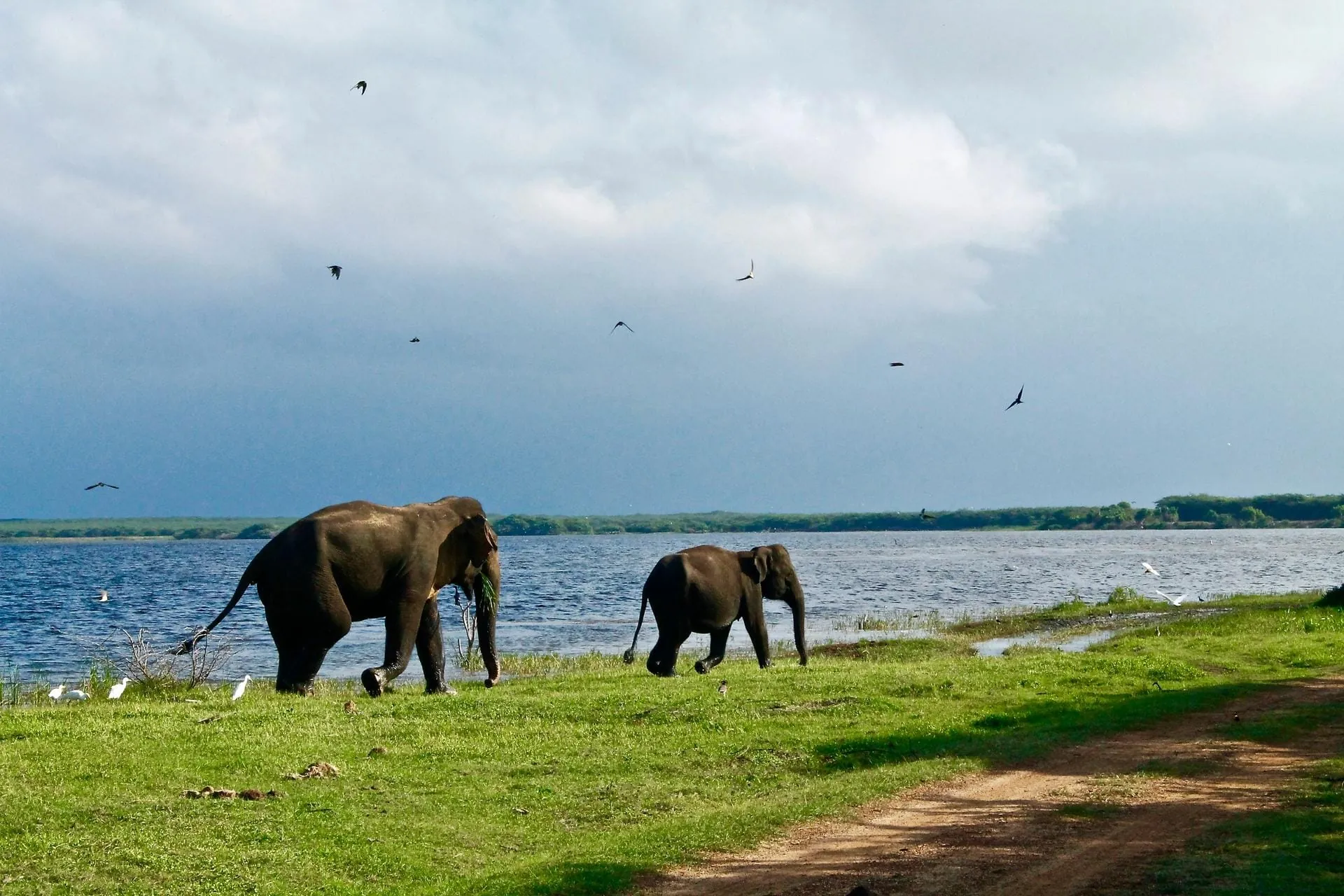
Safari in Sri Lanka is sold on the lodge. The brochure shows the pool, the deck and the outdoor bath, and says almost nothing about the two hours that decide whether you see anything. Those two hours are bought at the park gate, not at reception.
What the permit covers
A park permit is priced per person and sits alongside the vehicle charge and the service fee, which is why quotes for the same park can look wildly different depending on how they are itemised. It buys you entry for one session, morning or afternoon, into one block of one park. It does not buy you a full day, and it does not buy you the freedom to move between blocks.
The tracker is not an extra
Every vehicle entering a national park carries a tracker allocated at the gate. They read the alarm calls, they know which waterholes are holding and which roads were productive yesterday, and they talk to the other trackers. A good one is the single biggest variable in the drive, which is where a working relationship with the ground operator earns its keep.
The gate you enter from
Yala is not one park, and the crowding people complain about is almost entirely concentrated in the first block through the main gate. Entering from a quieter gate can mean a different set of roads, a fraction of the traffic and a longer run before anyone else reaches the same ground. The same logic applies at Udawalawe and Wilpattu. The address on your permit is doing more work than the star rating on your lodge.
First light is not a slogan
Gates open early and the animals keep to that schedule whether or not you do. The difference between being first through and arriving an hour later is the difference between a quiet road and a queue of jeeps. It means a pre-dawn start and coffee in the vehicle, and it is the one part of a safari itinerary we push hardest on.
Two shorter drives beat one long one
A full day in the park sounds thorough and usually is not. Wildlife moves at either end of the day and rests through the middle, along with everyone in the vehicle. Two sessions across two mornings, with the afternoon spent somewhere cool, produces more sightings and a far better day than one heroic block of eight hours.