From the travel desk
Reading the two monsoons
Why "rainy season" is close to meaningless on an island where the weather splits down the middle, and how to use that.

Ask when the rainy season is in Sri Lanka and you will get three different answers, all of them correct. The island runs two separate monsoons that arrive from opposite directions at opposite times of year, and they do not cover the same ground. There is almost always a coast in season somewhere. The planning question is never whether it rains, it is which half of the island you should be standing on when it does.
Two systems, not one season
The south-west monsoon settles in around May and runs to September, bringing the wet weather to the southern and western beaches and up into the hill country. The north-east monsoon works the other way, roughly December to February, and lands on Trincomalee, the east coast and the north. Between them sit two inter-monsoon spells, in March to April and again in October to November, when the rain arrives as short afternoon thunderstorms rather than as settled weather.
What this means for a route
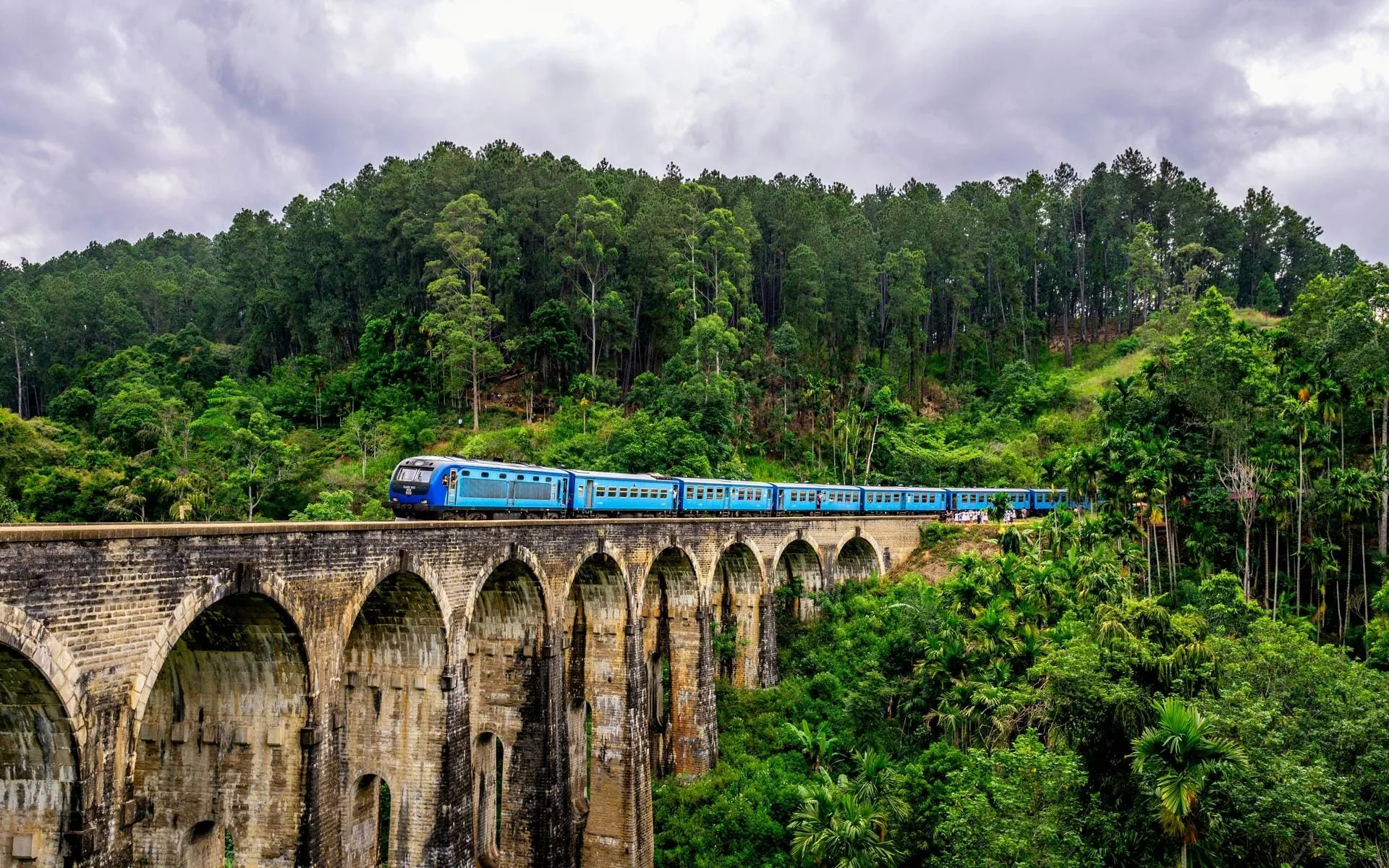
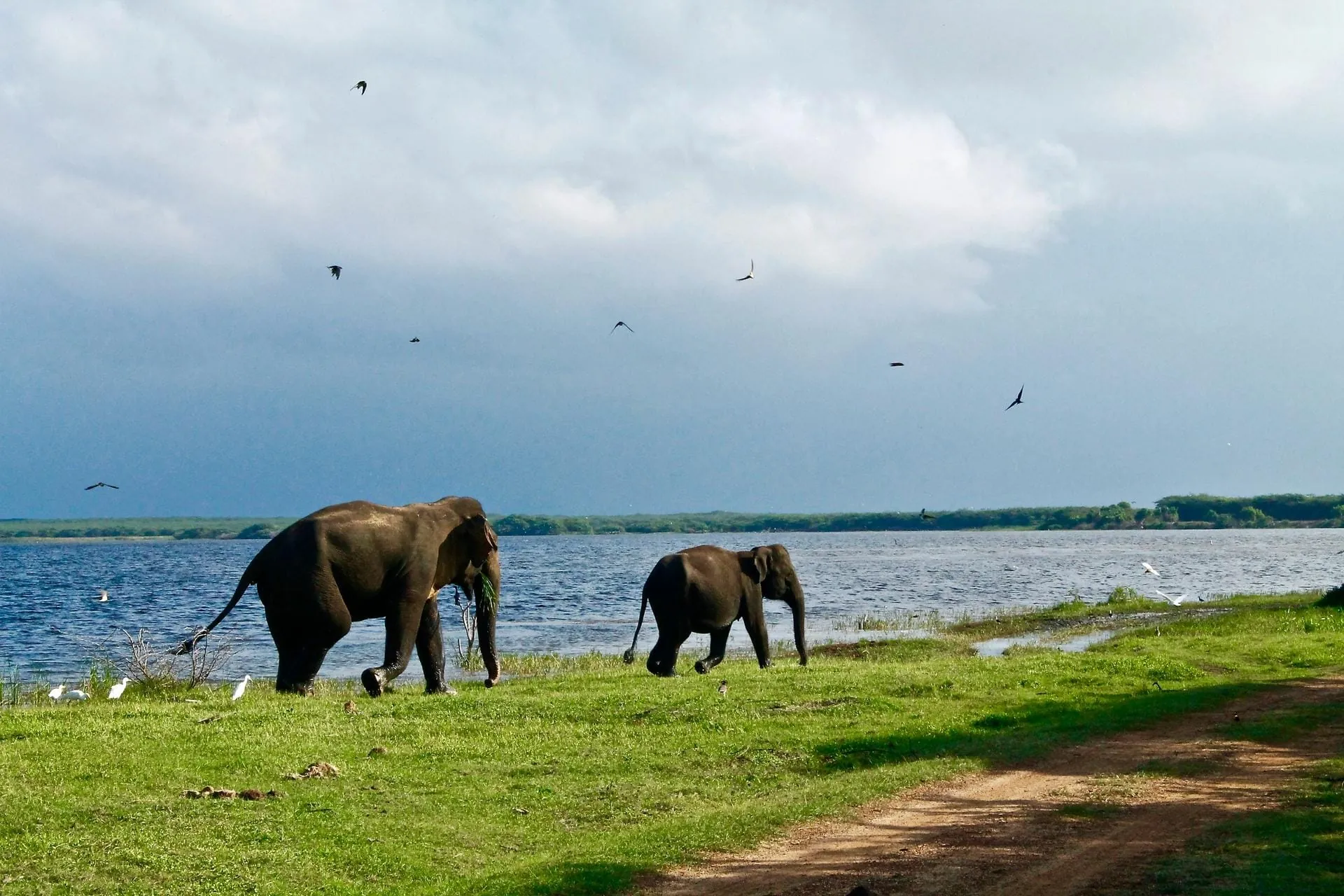
It means the map moves with the calendar. December to March is the reliable window for Mirissa, Galle and the south, and the season for whale watching out of the southern ports. July to September flips the itinerary east, where Trincomalee and Arugam Bay come into their own and the elephant gathering at Minneriya is at its largest. The cultural triangle and the tea estates sit high and central, so they read better than the coasts in most months and rarely dictate the shape of a trip.
The shoulder months are underrated
October and November get written off in most guidebooks. We book a lot of our favourite trips in them. The showers are short and usually late in the day, the sites are quiet, and rates across the board are the lowest of the year. If your dates are fixed and they fall awkwardly, the answer is almost never to cancel. It is to reverse the route.
Plan for the day, not the forecast
A ten-day forecast for a tropical island tells you very little worth acting on. What matters is having a coordinator on the ground who can move a park drive to first light, swap a climb for an estate day, or push a coastal night one stage along the road. Every itinerary we write leaves that slack in it deliberately.